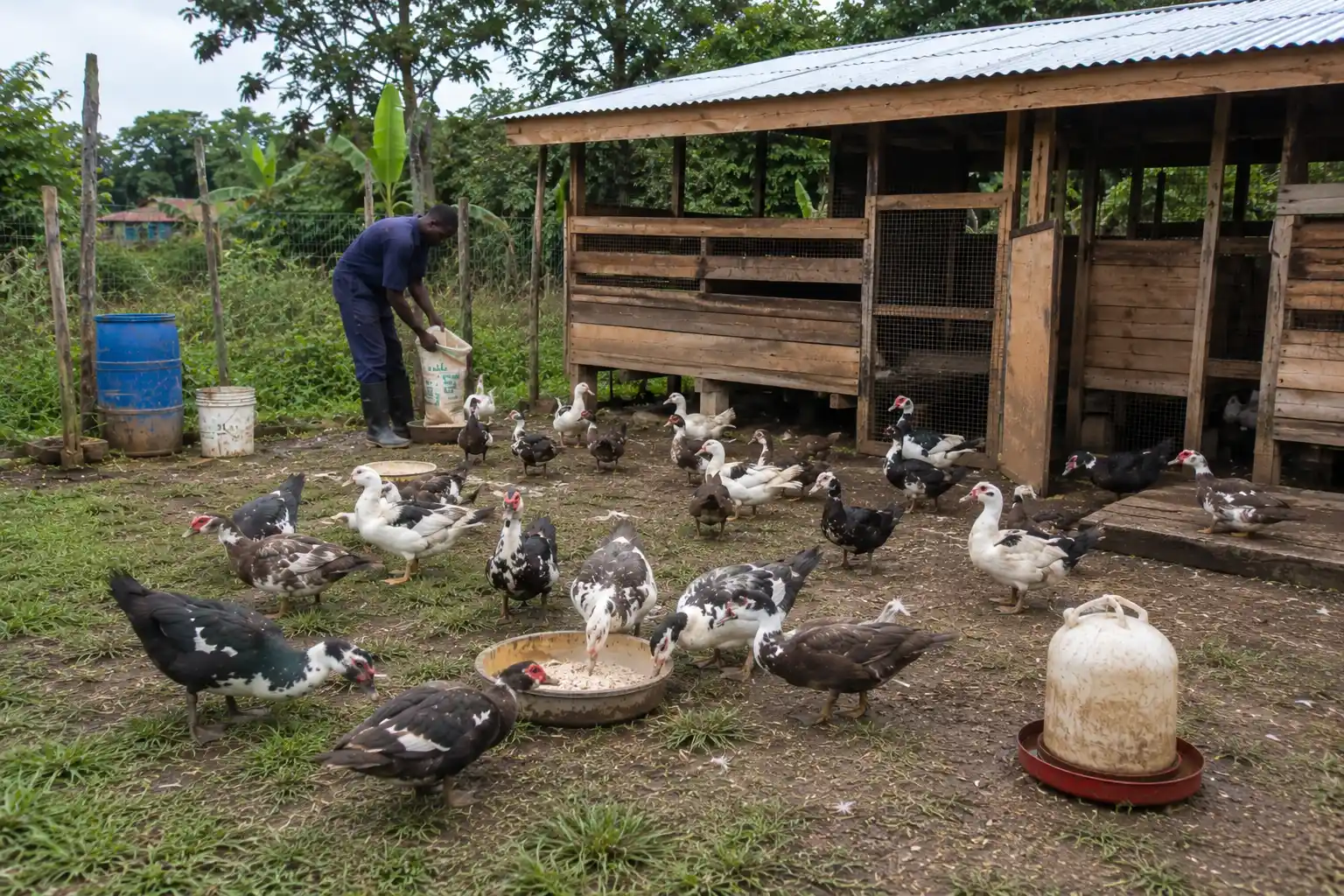
One of the biggest fears many people have when thinking about duck farming in Kenya is cost.
And honestly, that’s understandable.
Most people assume you need a huge budget to get started, yet in reality, your startup cost depends on your setup, the breed you choose, and how big you want to start.
The good thing is this: you do not have to start big.
In this guide, we’ll break down the real cost of starting duck farming in Kenya in a simple and practical way so you can understand what actually matters, where your money goes, and how to start within your budget.
Quick Answer: How Much Does It Cost to Start Duck Farming in Kenya?
The cost of starting duck farming in Kenya can range from around KSh 20,000–50,000 for a small beginner setup, though this can go much higher depending on your scale and setup.
- the number of ducks you start with
- the breed you choose
- your housing setup
- feeding approach
For example, a beginner setup with around 20 ducklings, basic housing, feeds, and equipment can realistically fall within this range, especially if you’re building gradually instead of going fully commercial immediately.
At Nera Farm, one-month-old Muscovy ducklings currently start from around KSh 300, while breeds like Rouen, Blue Swedish, Cayuga, and Khaki Campbell go for around KSh 500.
If you’re completely new to this, you can also read our full guide on duck farming in Kenya to understand how the business works before planning your budget.
What Affects the Cost of Duck Farming?
One reason duck farming costs vary so much is because no two setups are exactly the same.
Someone keeping 10 ducks at home in a simple free-range setup will obviously spend far less than someone setting up a more controlled meat or egg production farm.
The first thing that affects cost is the number of ducks you start with. Starting with 10–20 ducklings is manageable for most beginners and gives you room to learn without spending too much upfront.
Breed also matters.
Different duck breeds come with different feeding, growth, and management needs, which is why your choice affects your overall budget from the beginning.
For example, Muscovy ducks are generally easier and cheaper to manage because they are hardy and can adapt well to freer environments.
Breeds like Khaki Campbell or Pekin often require more structured feeding and management, especially if your goal is maximum egg or meat production.
Your setup matters too.
In places with more space, some farmers reduce feeding costs by letting ducks roam around for part of the day, then feeding them later in the evening.
In more controlled peri-urban setups, feeding costs are usually a bit higher because the ducks depend more on purchased feeds.
Main Costs of Starting Duck Farming in Kenya
Ducklings or Mature Ducks
This is usually the first major cost.
At Nera Farm, one-month-old ducklings currently start from around:
- KSh 300 for Muscovy
- KSh 500 for Rouen, Cayuga, Blue Swedish, and Khaki Campbell breeds
Older ducklings cost more because they require more feeding and care before sale. For example, 2–3 month-old Muscovy ducklings currently go for around KSh 1,000, while other breeds can cost around KSh 1,500.
If you choose to start with mature ducks for breeding, your starting cost will be higher but you may begin getting eggs faster.
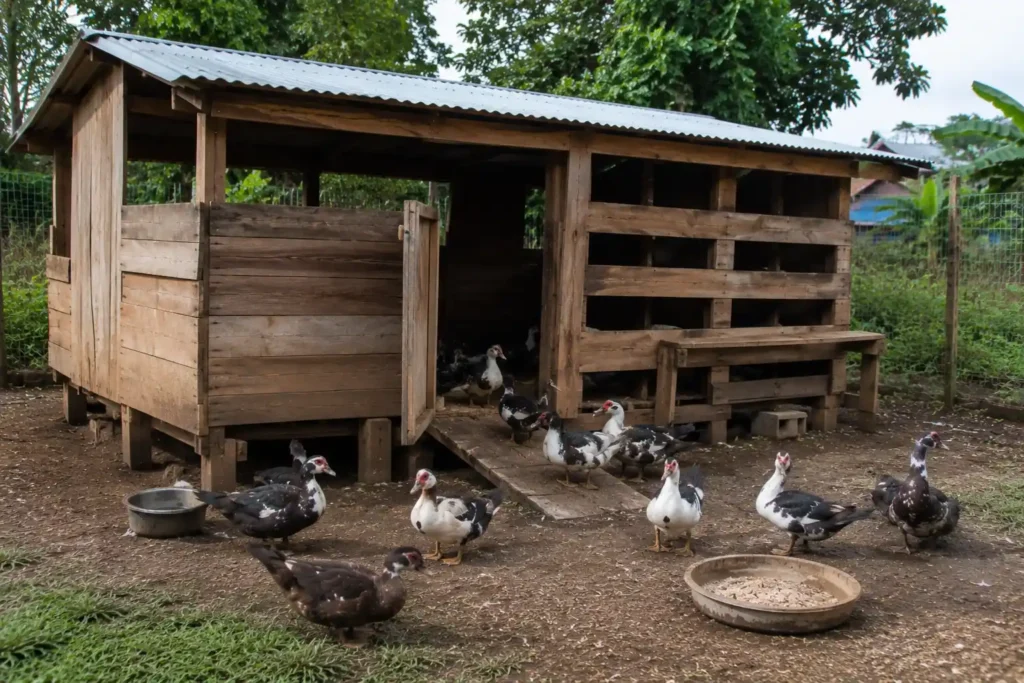
Housing
You’ll find many beginners in Kenya spending too much on housing before they even understand how their ducks behave.
In most cases, a simple secure structure is enough when you’re starting small.
Your housing mainly needs to:
- protect ducks from predators
- keep them dry at night
- provide basic shelter from rain and cold
You do not need a perfect permanent structure immediately.
Many small farmers start with simple wooden or iron sheet setups, then improve them gradually as the farm grows.
Feed
Feed is usually one of the biggest ongoing costs in duck farming.
How much you spend depends heavily on your setup.
If your ducks have space to move around and forage during the day, you may reduce feeding costs slightly. In more controlled setups, especially around peri-urban areas, you’ll rely more on purchased feeds.
At Nera Farm:
- Duckling pellets currently cost around KSh 800 per 10kg
- Feed for grown ducks goes for around KSh 2,500 per 70kg bag
One mistake beginners make is underestimating feed costs while over-focusing on housing.
In reality, consistent feeding affects growth and egg production far more than having a fancy structure.
Water and Basic Equipment
Ducks need constant access to clean water, especially for feeding and general health.
The good thing is that basic equipment is usually manageable for small beginners.
Most starters only need simple feeders, water containers, and basic cleaning tools. You can upgrade equipment later as your flock grows.
Medication and Miscellaneous Costs
Compared to some other poultry, ducks are generally hardy, but you should still budget for occasional medication, cleaning supplies, and unexpected costs.
These expenses are usually not extremely high when starting small, but it’s good to leave some room in your budget for them.
A Realistic Beginner Budget Example
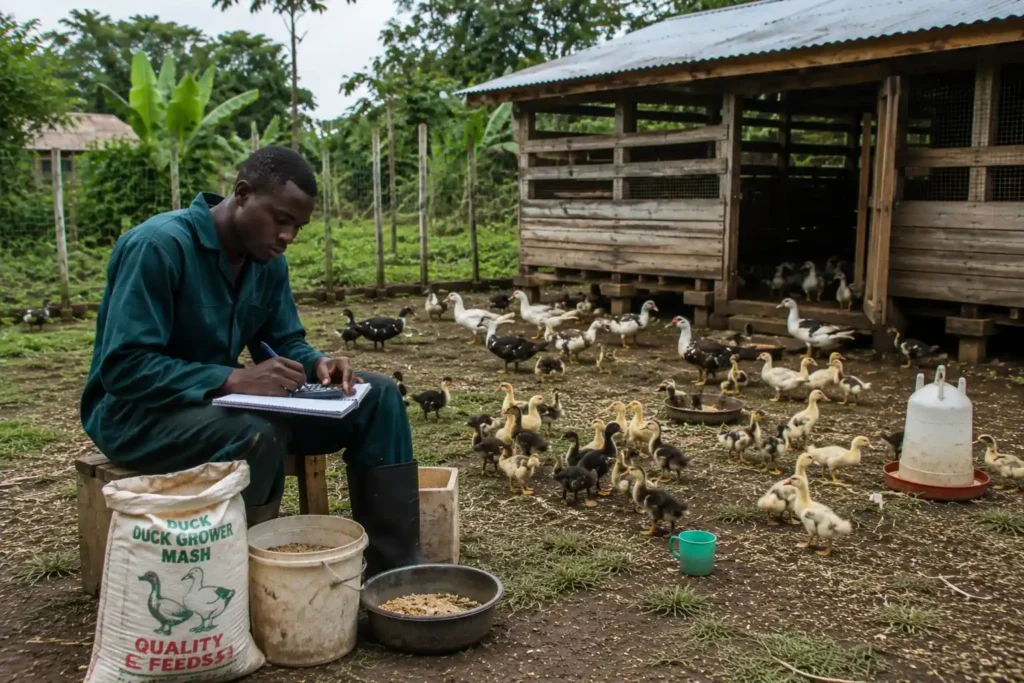
Let’s say you’re starting with around 20 ducklings, which is a fairly common beginner setup for many small farmers in Kenya.
Your costs may look something like this depending on your setup and breed choice:
- Ducklings → around KSh 7,000–10,000
- Simple starter housing → around KSh 5,000–15,000
- Feed for the first month → around KSh 3,000–6,000
- Water containers and basic equipment → around KSh 1,000–3,000
Some farmers also choose to start with a breeding pair of mature ducks, this way there is a female to care for the young ducklings and the pair can continue breeding. The pair can add roughly KSh 4,500–7,500 depending on breed and age.
This brings a realistic beginner setup to around KSh 20,000–50,000 depending on how simple or structured you want your setup to be.
What usually matters more is starting with healthy ducks, manageable numbers, and a setup you can comfortably improve over time.
| Item | Estimated Cost (KSh) | What This Usually Covers |
|---|---|---|
| Ducklings (20 starter ducklings) | 6,000 – 10,000 | Depends on breed and age |
| Simple housing setup | 5,000 – 15,000 | Basic wooden or iron sheet shelter |
| Feed (first month) | 3,000 – 6,000 | Depends on feeding style and flock size |
| Water containers & feeders | 1,000 – 3,000 | Basic beginner equipment |
| Optional breeding pair | 4,500 – 7,500 | Mature male and female ducks |
| Miscellaneous costs | 1,000 – 3,000 | Cleaning, transport, small unexpected expenses |
Estimated Beginner Budget:
Around KSh 20,000 – 50,000
If this feels much, you can reduce costs by:
- starting with fewer ducklings
- using locally available materials for housing instead of buying everything new
- using a simple temporary structure first
- improving your setup gradually
- avoiding unnecessary equipment in the beginning
Trying to build a “perfect farm” immediately is one of the fastest ways beginners overspend.
Common Cost Mistakes Beginners Make
One common mistake is starting too big too early.
Another is spending heavily on structures while neglecting feeding quality or healthy ducklings.
You’ll also find some people buying the cheapest ducklings they can find, only to struggle later with weak birds or poor production.
In most cases, starting smaller with healthy stock is usually the better long-term decision.
Is Duck Farming Worth the Cost?
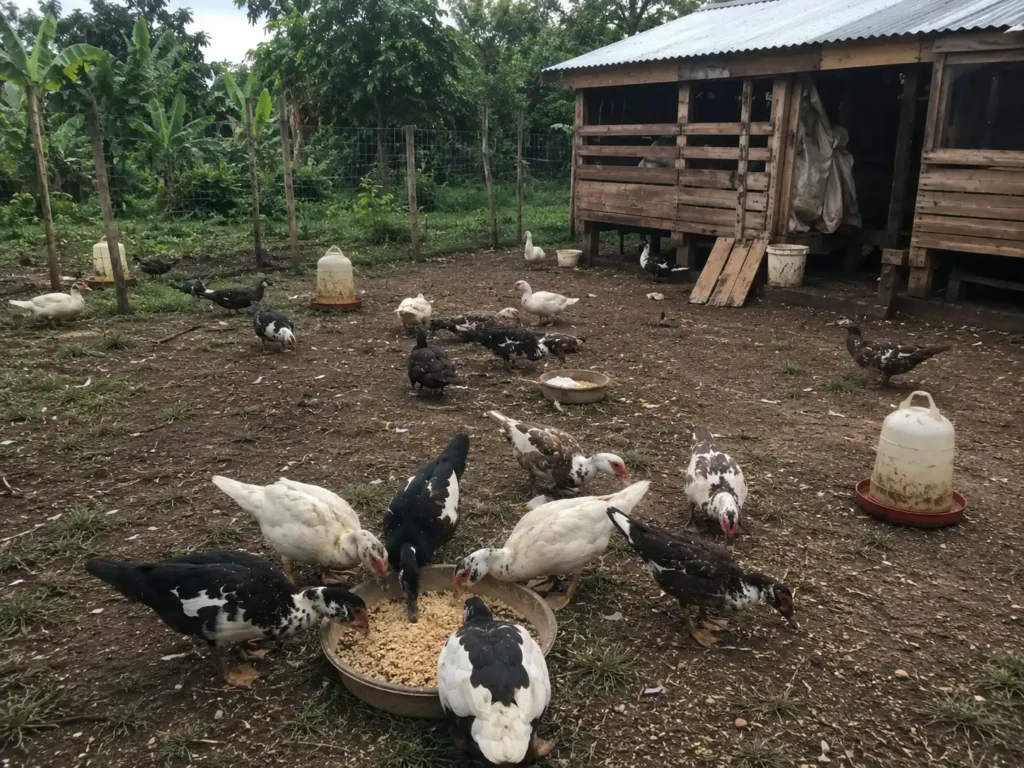
For many farmers in Kenya, yes — especially when approached realistically.
Duck farming can generate income through:
- Mggs
- Meat
- Breeding
- Ducklings
- Feathers
- Manure
But like any farming business, results depend on management, consistency, and patience.
The best approach for most beginners is usually to start small, learn properly, then scale gradually once they understand the business better.
Where to Buy Ducklings in Kenya
The quality of your starting stock matters more than many beginners realize.
Healthy ducklings grow better, survive better, and reduce stress later on.
At Nera Farm, we supply healthy ducklings and mature ducks suited for different farming goals in Kenya, whether you’re starting small at home or planning a more structured setup.
Final Thoughts
Starting duck farming in Kenya does not have to be overwhelming.
You do not need a massive farm, expensive structures, or hundreds of ducks immediately.
What matters most is starting with the right mindset, healthy stock, and a setup you can comfortably manage as you learn.
And honestly, many farmers become more confident once they realize they can start smaller than they initially thought.
Ready to Start?
If you’re ready to begin, the first step is getting healthy, well-raised ducks that match your goals and budget.
Browse available:
Or chat with Nera Farm directly on WhatsApp for guidance and availability.
Frequently Asked Questions
What is the cheapest way to start duck farming in Kenya?
Starting with a small number of ducklings and a simple setup is usually the cheapest and safest option for beginners.
How many ducks should a beginner start with?
Many beginners start with around 10–20 ducklings so they can learn without becoming overwhelmed.
Are ducks expensive to feed?
Feed can become a major cost depending on your setup, but some farmers reduce costs slightly by allowing ducks to forage during the day.
Can I start duck farming at home?
Yes. Many people start duck farming from home using small or peri-urban setups before expanding later.