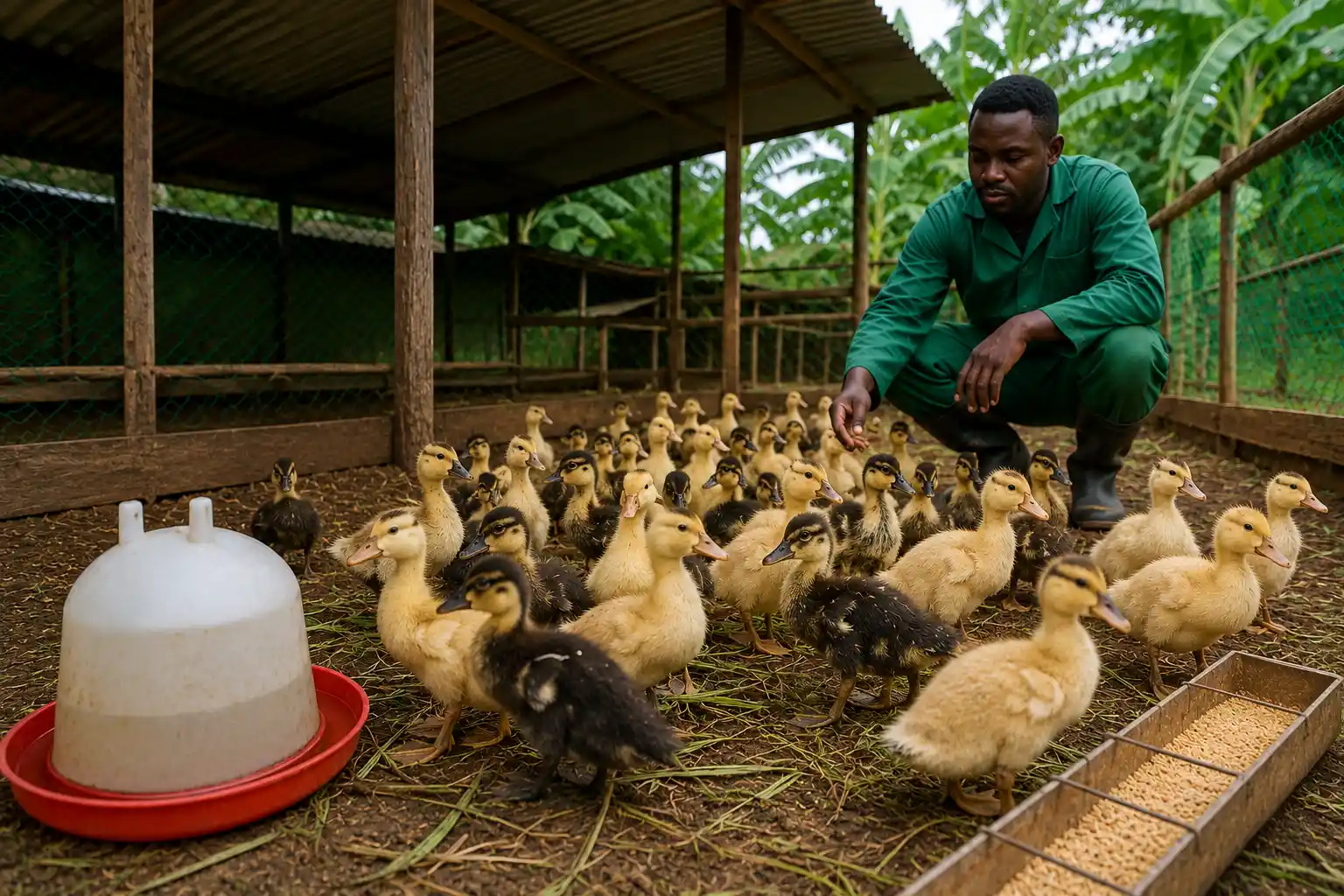
We’ve interacted with many duck farmers over the years, both big and small, and one of the most common challenges many faced at the beginning was losing ducklings early on.
And honestly, a lot of that usually comes down to where and how the ducklings were sourced in the first place.
Even at Nera Farm, this was one of the challenges we encountered when setting up the farm over three years ago. With time, we realized how much early feeding, care, and handling affect growth, survival, and overall performance later on.
That’s why finding healthy ducklings from the right source matters much more than many beginners initially realize.
In this guide, we’ll look at where to buy ducklings in Kenya, what to check before buying, common mistakes beginners make, and how to choose the right breed for your goals.
Quick Answer: Where Can You Buy Ducklings in Kenya?
You can buy ducklings in Kenya from specialized duck farms, breeders, local farmers, agricultural marketplaces, and online farm suppliers.
However, the most important thing is not just finding ducklings — it’s finding healthy, properly raised ducklings from a reliable source.
At Nera Farm, we’ve found that many beginner challenges later on — including slow growth and higher mortality — often trace back to poor sourcing and early care practices.
So, before buying, it helps to confirm:
- the breed
- the ducklings’ age
- feeding history
- how they’ve been raised
- transport arrangements
Many beginners focus too much on price and later struggle with weak birds, slow growth, or unnecessary losses.
What Should You Look for When Buying Ducklings?
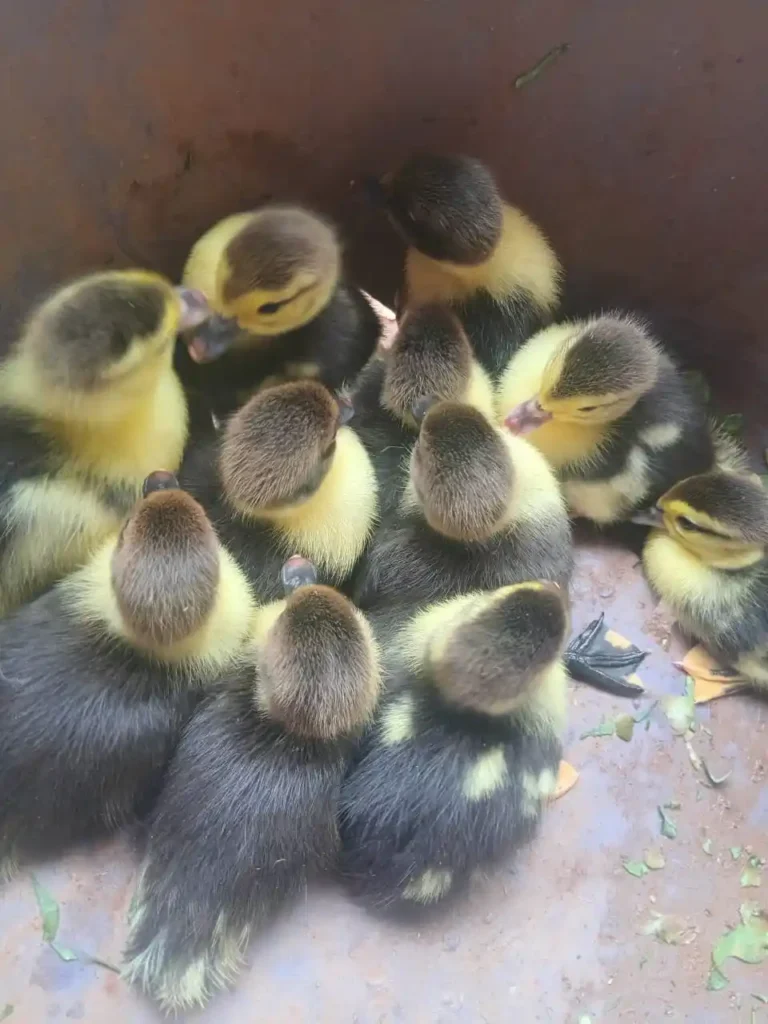
Healthy ducklings are usually active, alert, and responsive.
If ducklings appear weak, overcrowded, overly quiet, or unhealthy, that’s usually a warning sign.
A few things worth checking include:
- bright, clean eyes
- active movement
- healthy feathers or down
- proper feeding and water access
- clean surroundings
And honestly, one thing many beginners forget to ask is how the ducklings have been raised.
This matters a lot.
Some ducklings may look healthy when buying, but inconsistent feeding or poor care early on can affect growth and survival later.
That’s why buying from farms that understand proper duck management usually makes a big difference long-term.
Common Mistakes People Make When Buying Ducklings
One common mistake is simply buying the cheapest ducklings available.
And honestly, cheap birds sometimes become expensive later.
Weak ducklings may struggle with growth, require more attention, or experience higher mortality rates, especially for beginners still learning management.
Another mistake is buying ducklings without clearly understanding the breed.
Different duck breeds have different strengths, feeding needs, and growth patterns. Some are better for eggs, others for meat, while some are easier for beginners to manage.
Transport is another issue many people underestimate.
Very young ducklings can become stressed during long journeys if poorly handled, especially in hot conditions or overcrowded transport.
Different Types of Ducklings Available in Kenya
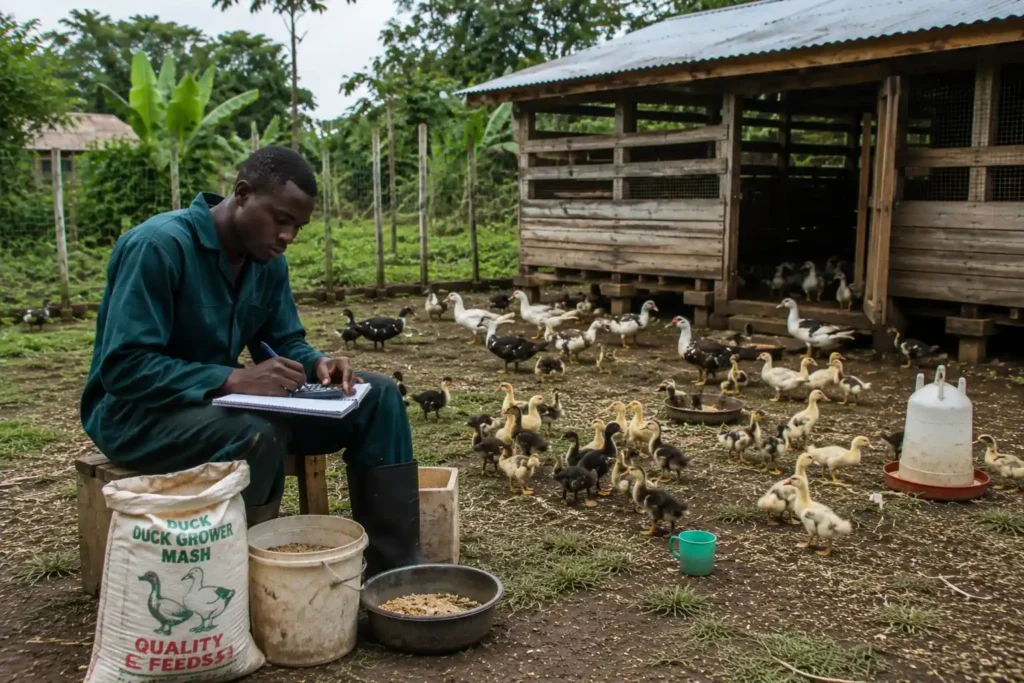
Different duck breeds suit different goals, which is why choosing the right breed matters before buying.
Muscovy Ducklings
Muscovy ducks are one of the most common choices for beginners in Kenya because they are hardy, adaptable, and generally easier to manage in freer setups.
They are also popular for meat production and usually require less intensive management compared to some other breeds.
Khaki Campbell Ducklings
Khaki Campbell ducks are widely preferred for egg production because they lay consistently under proper feeding and management.
They are usually better suited for farmers targeting egg sales or larger production systems.
Pekin Ducklings
Pekin ducks are commonly kept for meat because they grow faster and develop larger body sizes.
Farmers targeting duck meat production often prefer them for this reason.
Rouen Ducklings
Rouen ducks are known for their larger size and attractive appearance. Some farmers keep them for meat, while others prefer them for ornamental or mixed farming setups.
They are usually less common than Muscovy or Khaki Campbell ducks but are still becoming increasingly interesting to some farmers in Kenya.
How Much Do Ducklings Cost in Kenya?
Duckling prices in Kenya vary depending on:
- breed
- age
- availability
- seller quality
At Nera Farm:
- One-month-old Muscovy ducklings currently start from around KSh 400
- Rouen, Blue Swedish, Cayuga, and Khaki Campbell ducklings currently go for around KSh 500
Older ducklings usually cost more because they require additional feeding and care before sale.
For example:
- 2–3 month-old Muscovy ducklings currently go for around KSh 1,000
- Other breeds can go for around KSh 1,500 depending on age and availability
And honestly, while price matters, healthy stock usually matters more long-term than finding the absolute cheapest birds available.
You can find a deeper breakdown of the starting costs in our blog, The Cost of Starting Duck Farming in Kenya.
Can Ducklings Be Delivered Across Kenya?
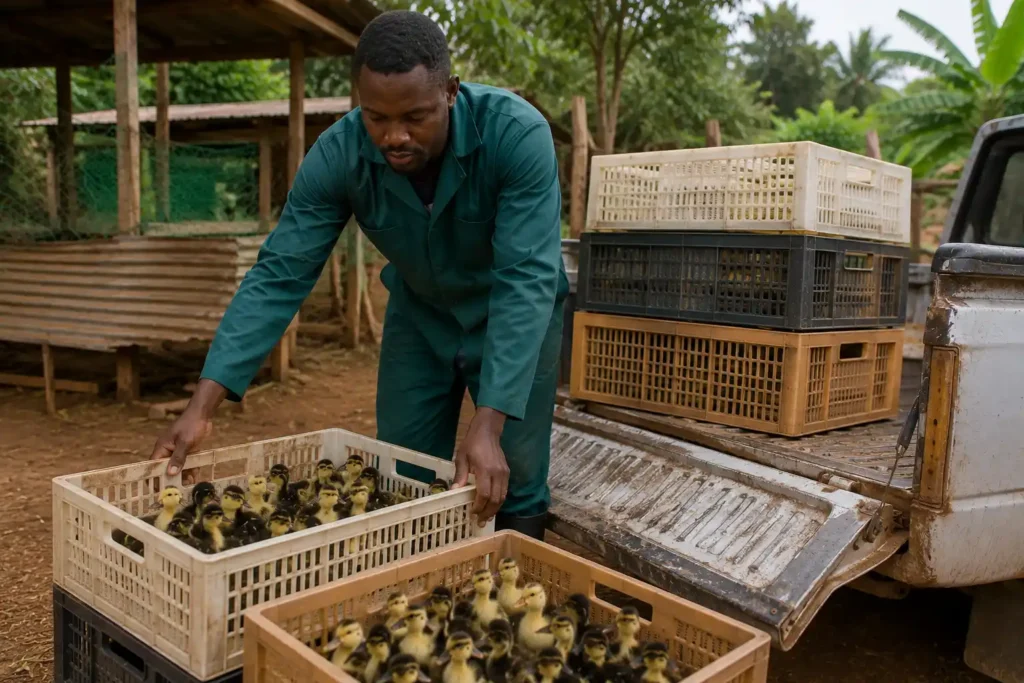
Yes — and this is something many buyers ask.
Ducklings can be transported across different parts of Kenya when handled properly.
At Nera Farm, we work with customers from different regions including Nairobi, Kisumu, Siaya, Central Kenya, and other parts of the country depending on logistics and availability.
The important thing is proper timing, ventilation, and minimizing stress during transport, especially for younger ducklings.
This is also why many farmers prefer buying from farms that already have experience handling duck transportation properly.
Where to Buy Ducklings in Kenya
The best place to buy ducklings is usually from farms or breeders that:
- clearly identify breeds
- maintain healthy stock
- provide guidance
- understand duck management properly
At Nera Farm, we supply different duck breeds for farmers across Kenya, whether you’re starting small at home or building a larger farming setup gradually.
We also understand that many beginners still have questions around breed choice, feeding, setup, and management — and honestly, that guidance can make a huge difference early on.
Ready to Start Duck Farming?
Starting duck farming becomes much easier when you begin with healthy stock and realistic expectations.
Many successful farmers start small, learn gradually, and improve their setup over time instead of trying to build a massive operation immediately.
If you’re planning to start duck farming, you can explore available ducklings and mature ducks from Nera Farm or reach out directly on WhatsApp if you need help choosing the right breed for your setup and goals.
Frequently Asked Questions
How much do ducklings cost in Kenya?
Duckling prices vary by breed and age. At Nera Farm, one-month-old ducklings currently start from around KSh 400–500 depending on breed.
What is the best duck breed for beginners?
Muscovy ducks are usually one of the best options for beginners because they are hardy and easier to manage in freer setups.
Can ducklings be transported long distances?
Yes. Ducklings can be transported across Kenya when handled properly with good ventilation and minimal stress.
How do I know if ducklings are healthy?
Healthy ducklings are usually active, alert, clean, and feeding normally with clear eyes and good movement.
Where can I buy Muscovy ducklings in Kenya?
You can buy Muscovy ducklings from specialized duck farms and breeders in Kenya, including Nera Farm depending on availability.