Duck Farming in Kenya: Complete Beginner Guide (2026)
Duck farming in Kenya is steadily growing as one of the most practical agribusiness opportunities for beginners, small-scale farmers, and even households looking to earn extra income.
At Nera Farm, we work directly with farmers and buyers across Kenya, and we’ve seen first-hand how duck farming can grow from a small setup into a reliable income stream.
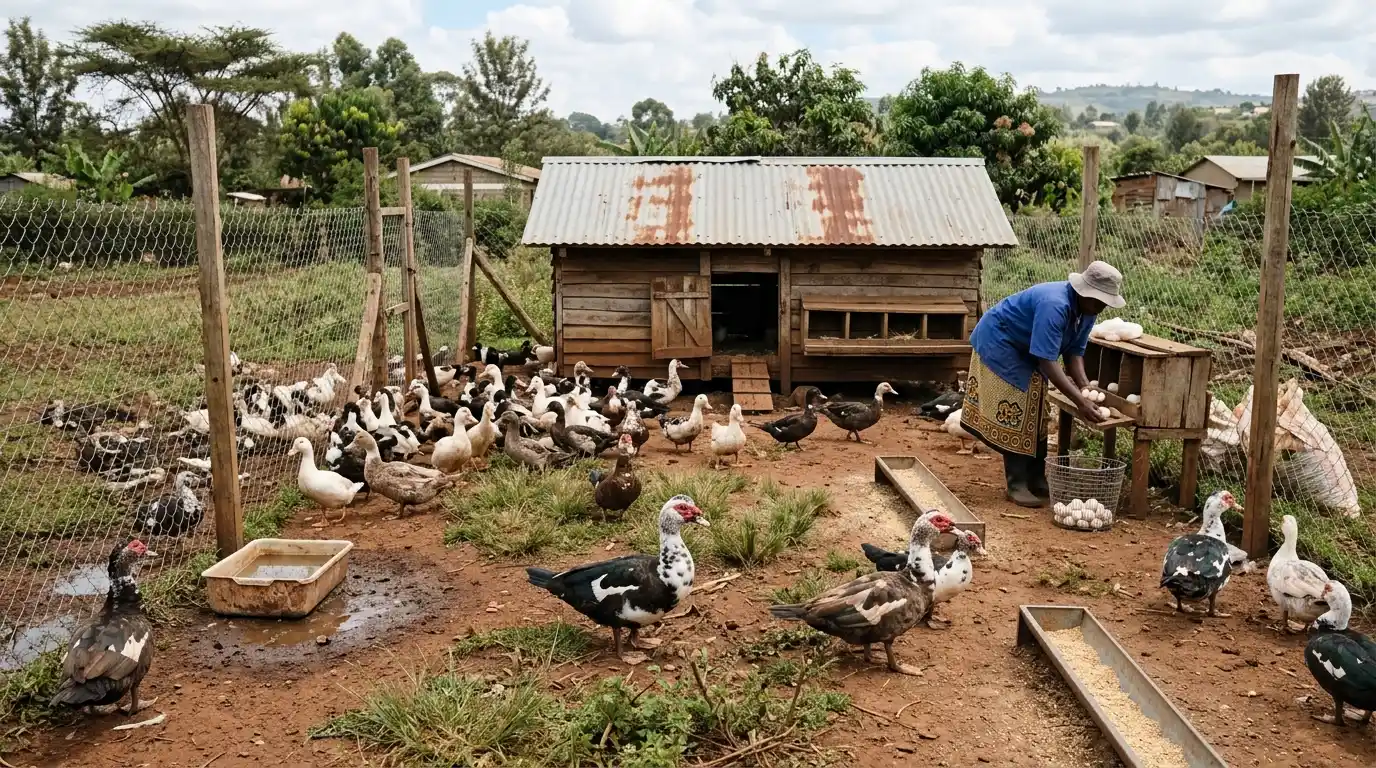
Unlike chicken farming, which is heavily saturated in most parts of the country, duck farming remains relatively untapped. There is still real room to enter the market, learn the ropes, and grow at your own pace without battling extreme competition.
Whether you are in Siaya, Kisumu, Nairobi outskirts, or a rural village setup, duck farming can be started small and expanded steadily over time.
By the end, you will have a clear, practical picture of how to start — not just theory, but real, actionable steps.
Want to Start Duck Farming?
What Does Duck Farming In Kenya Involve?
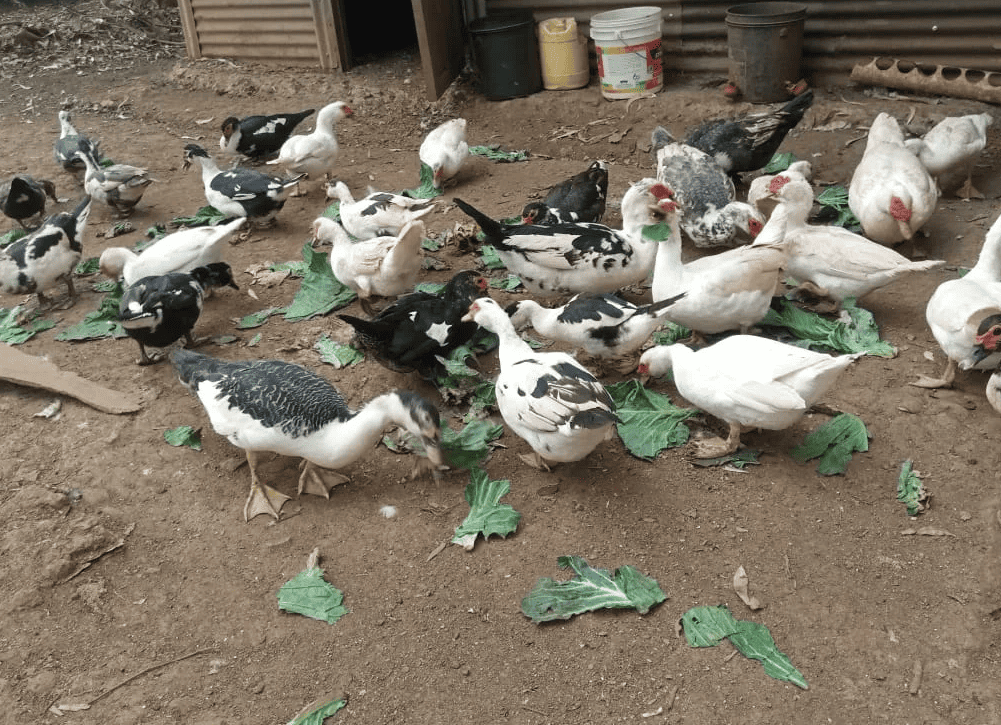
In Kenya, most farmers do duck farming at:
- Small-scale household-level semi-intensive farms
- A growing number of emerging commercial setups
The majority of farmers are still focused on chicken, which leaves a clear gap in the market for duck products. That gap is an opportunity.
How Is Duck Farming Different from Chicken Farming?
Compared to chicken, ducks have a few distinct advantages:
- Ducks are hardier — they handle weather changes better
- They do well in free-range environments without much intervention
- They require less intensive management overall
- They serve a niche market where competition is still very low
For example: In rural Kenya — places like Siaya, Kiambu, Kisii, Meru, Muranga, Kisumu — ducks can forage naturally around homesteads.
In peri-urban areas like Kitengela or Juja, farmers are already setting up small duck units and targeting niche buyers who cannot easily find duck products elsewhere.
This flexibility is exactly what makes duck farming such a good fit for beginners.
Duck farming vs chicken farming side by side comparison:
|
Factor |
Ducks |
Chicken |
|
Competition |
Low |
Very high |
|
Feeding |
Can forage |
Mostly dependent on feed |
|
Disease resistance |
Higher |
Lower |
|
Market |
Niche |
Saturated |
|
Startup difficulty |
Easier |
Moderate |
For beginners, duck farming tends to be less stressful and more forgiving as you find your footing.
Why Duck Farming Is Growing in Kenya
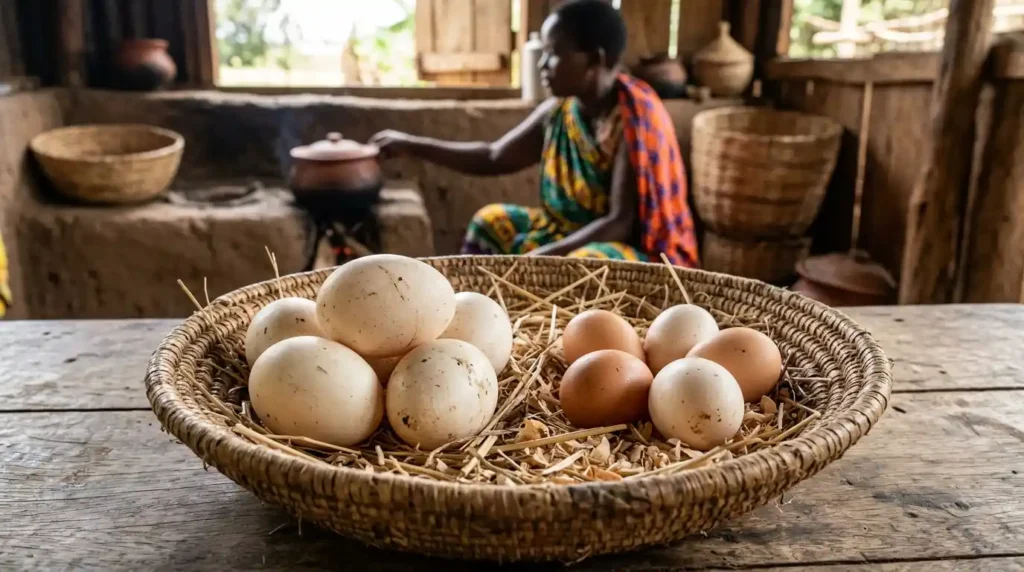
Duck farming is not just a passing trend. There are real market forces driving its growth, and they are not going away.
1. Increasing Demand for Duck Eggs
Duck eggs are gaining popularity, and for good reason. They are:
Larger than chicken eggs Richer in nutrients, especially protein and fats Preferred by bakers for the texture and rise they produce in baked goods
In Nairobi, for instance, home bakers and small bakeries are actively looking for reliable duck egg suppliers. The problem right now is that supply is inconsistent. That inconsistency is an opportunity. A farmer who can supply eggs regularly already has an edge over most people in this space.
2. Growing Interest in Duck Meat
Duck meat is treated as a premium product in Kenya. Demand comes mainly from high-end restaurants, hotels, and some urban households who want something different from the usual chicken.
The challenge is that supply is still limited and unreliable. Farmers who can consistently supply clean, well-prepared duck meat can charge higher prices than chicken and still find ready buyers.
3. Lower Competition Compared to Chicken
Chicken farming in Kenya is overcrowded. Price wars are common, margins are thin, and you have to be very efficient just to stay profitable.
Duck farming is a different story. There are fewer players in the space, entry is easier, and there is genuine room to build a niche and own it. For a beginner, that matters a lot.
4. Flexible Farming Setup
You do not need expensive infrastructure to start. Ducks are not demanding when it comes to housing and environment.
You can get started with:
A simple wooden structure A fenced compound A basic feeding and watering setup
In rural areas especially, ducks can free-range during the day and return to their shelter at night. This alone cuts feeding costs significantly.
Is Duck Farming Profitable In Kenya?
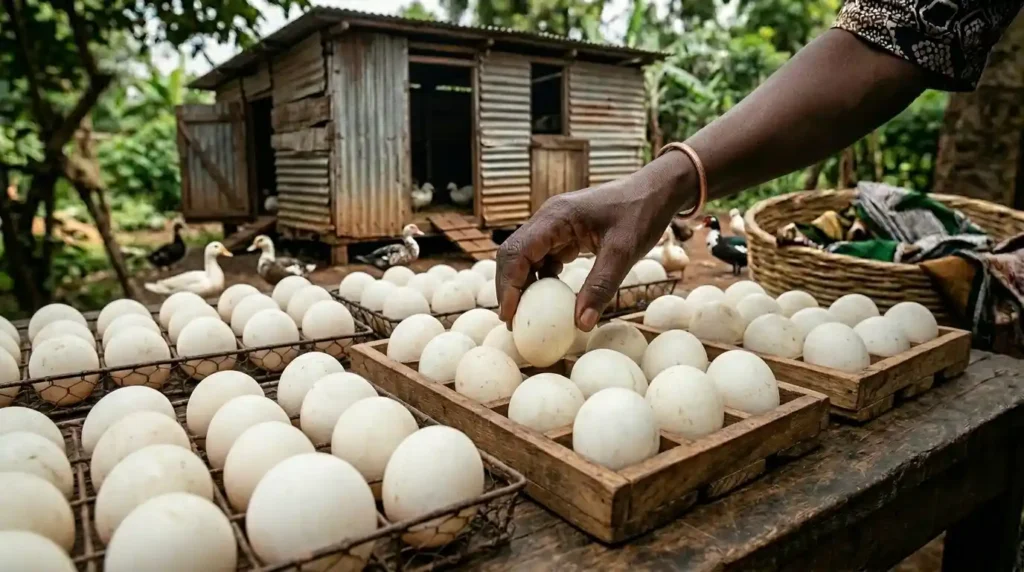
Yes — but profitability depends on how you approach it. Duck farming in Kenya can be profitable because of its low startup costs, multiple income streams, and growing demand. Let us break this down with a realistic example.
Realistic Example — Small-Scale Farmer
Say you start with 20 Khaki Campbell ducks, which are good egg layers. After they mature, each duck lays about 4 to 6 eggs per week. That gives you roughly 80 to 120 eggs per week from your whole flock.
If you sell at KSh 70 to 100 per egg:
Weekly income: KSh 5,400 to 12,000
Monthly income: KSh 21,600 to 48,000
Costs to Consider
Feed is the biggest ongoing expense. You will also have occasional medication costs and basic maintenance.
Even after accounting for these, a well-managed small flock can pay back your initial investment within a few months.
Where Most Farmers Make More Money
Eggs are a good income stream, but they are just one of the many ways. Many experienced farmers find they earn more from:
- Selling ducklings — demand from new farmers is consistently high
- Selling mature ducks — especially breeding stock
- Supplying bulk buyers such as restaurants and resellers
This is why most farmers who start with eggs eventually move into breeding and supply as they grow.
How To Start Duck Farming In Kenya (Step-By-Step)
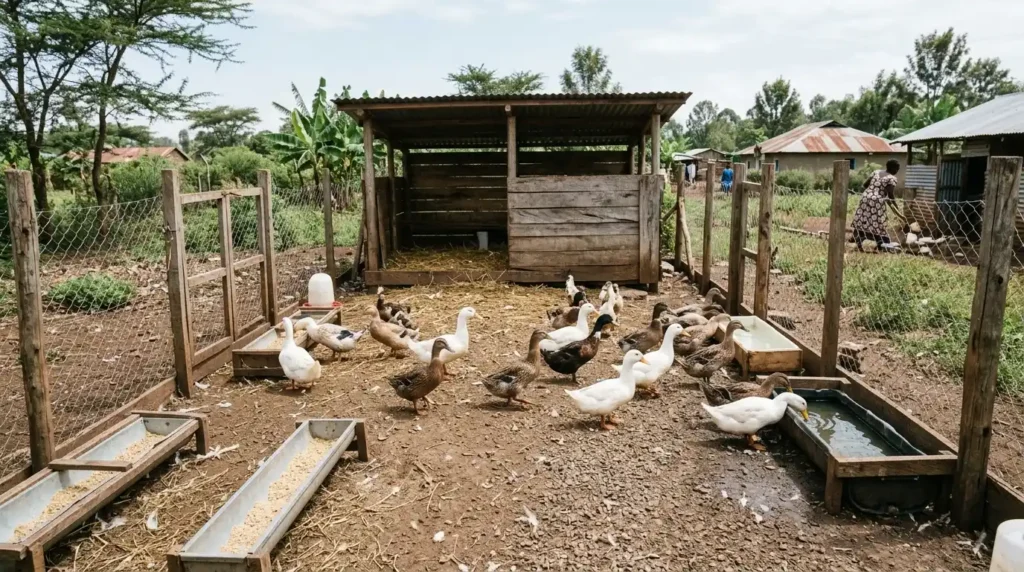
This is the part where most beginners need clarity. Let us walk through it practically.
1. Decide Your Purpose First
Before you buy a single duckling, be honest with yourself about what you want from this venture. Are you farming for eggs, meat, or breeding — meaning selling ducklings and live ducks?
This matters because:
If egg production is your goal, you need high-laying breeds If meat is your goal, you want fast-growing breeds If you are building a breeding business, you need healthy, well-selected stock
Most beginners start with eggs and later expand into breeding once they understand the market.
2. Choose the Right Duck Breed (Kenyan Context)
Here are the most commonly available breeds in Kenya and what each one is best suited for:
Khaki Campbell — excellent egg production, best choice for beginners
Muscovy — hardy, good for meat, thrives with minimal management in rural setups
Pekin — fast growth, ideal if you are targeting meat sales
Rouen — dual-purpose, decent for both meat and eggs
Blue Swedish — balanced production, adapts well to different environments
Cayuga — unique appearance, good for niche and specialty markets
If you are not sure where to start, go with Khaki Campbell for eggs or Muscovy if you are in a rural setup and want low-maintenance birds.
3. Housing Setup — Keep It Simple
You do not need to spend a lot on housing. The basics are:
– A dry sleeping area
– Protection from rain
– Protection from predators — dogs and mongooses are common threats in many parts of Kenya
A simple wooden shed with iron sheets, raised slightly off the ground, with a door or mesh is enough to get started. Depending on materials available locally, this can cost as little as KSh 5,000 to 15,000.
4. Feeding and Water
How you feed your ducks depends on your setup.
Free-range: Ducks forage for insects, grass, and leftovers. You supplement with grains.
Semi-intensive: A combination of commercial feed and foraging.
Common feeds used in Kenya include layers mash, growers mash, and kitchen leftovers in small amounts.
One thing that is not negotiable: water.
Ducks must always have access to clean water. They use water when eating and to regulate their body temperature. Without it, growth and egg production suffer quickly.
5. Start Small — This Is Very Important
One of the most common mistakes beginners make is starting too big too soon. You end up overwhelmed, and mistakes become expensive.
Instead, start with 10 to 30 ducklings. Learn how they feed, how they grow, and how they behave. Figure out your local market before you scale.
Once you have that foundation, expanding becomes much easier.
6. Buy Quality Ducklings or Live Ducks
This step will make or break your start. Good ducklings should be active, bright-eyed, and free from any visible deformities. Avoid weak or sluggish ducklings and steer clear of unknown or unreliable sources.
If you want faster results, buying mature ducks saves you the wait. If you want more control and lower upfront costs, starting with ducklings is the way to go.
If you’re ready to get started, you can begin with healthy starter stock here:
Which Are the Best Duck Breeds to Rear in Kenya?
Muscovy — Hardy and Good for Meat
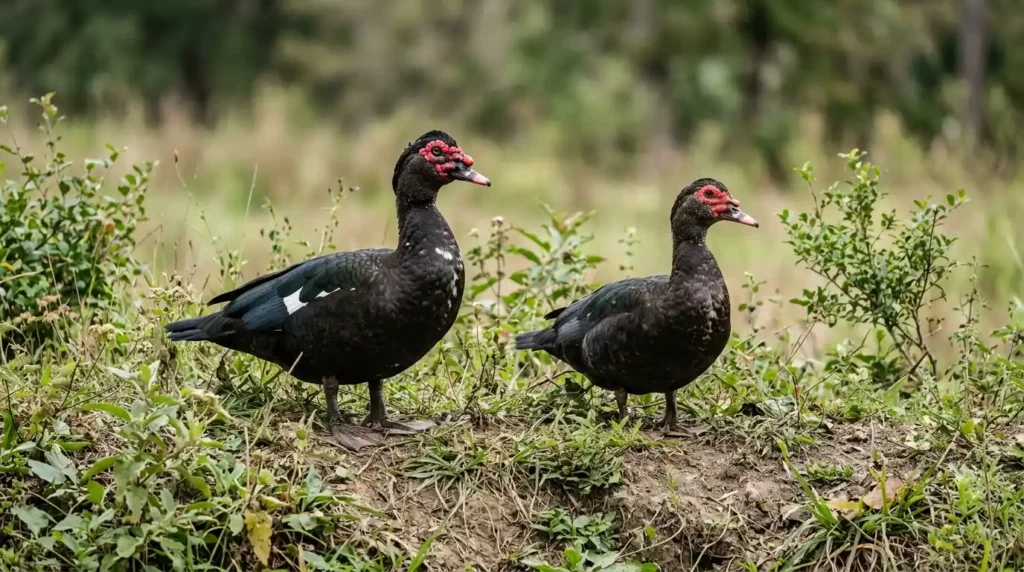
Muscovy is very common in Kenyan households, and for good reason. It has strong immunity, adapts well to its environment, and grows with minimal management. You will not be running after it every day.
If you are in a rural setup and want birds that can largely take care of themselves while still producing meat, Muscovy is one of the best choices you can make.
Khaki Campbell — Best for Eggs
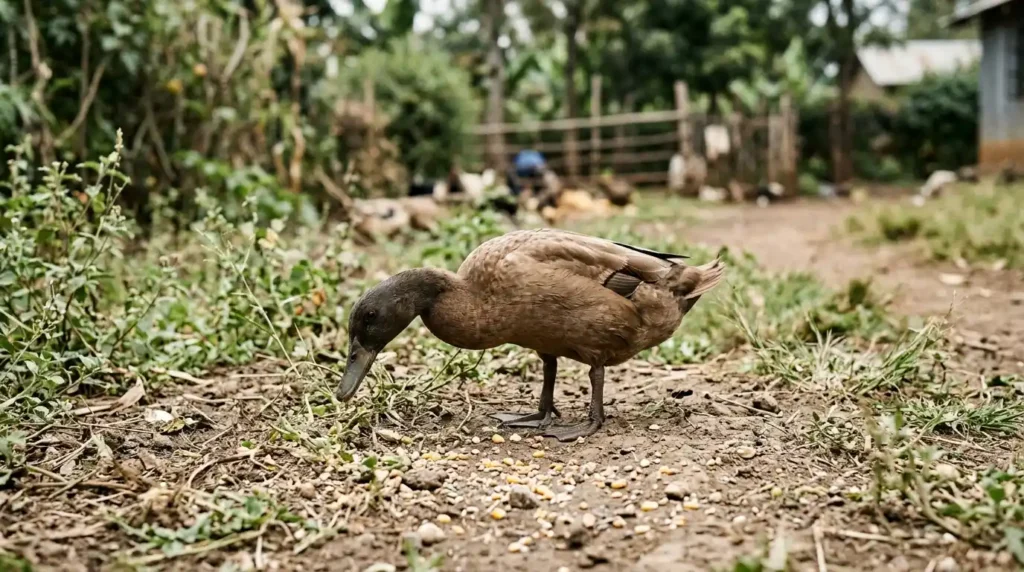
The Khaki Campbell is one of the best egg-laying duck breeds you will find. Under good management, it can produce 250 to 300 eggs per year. It also starts laying earlier than most other breeds.
It is ideal for beginners and for farmers targeting consistent income from egg sales. If you want eggs, this is usually the safest place to start.
Pekin — Fast Growth for Meat
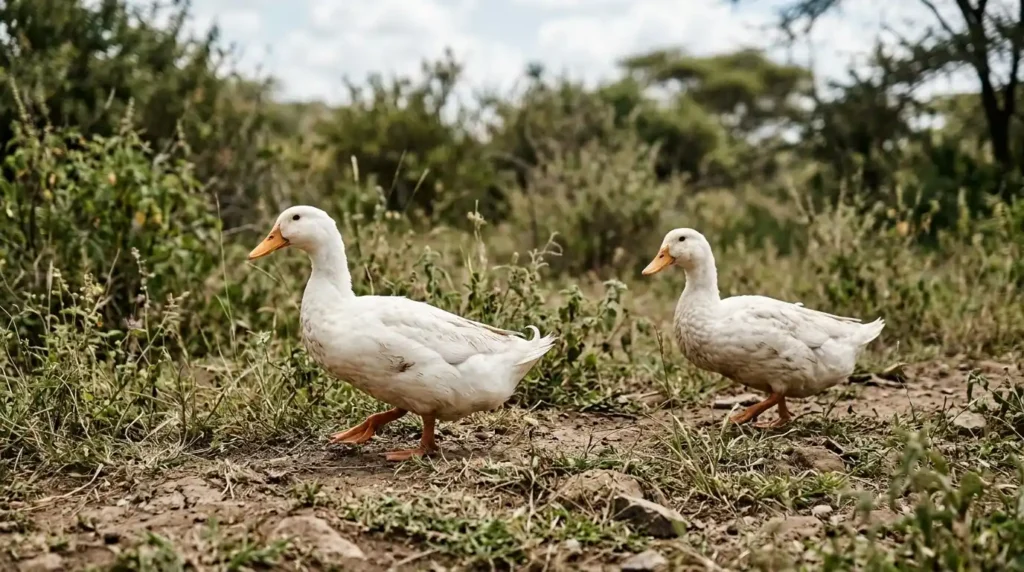
The Pekin is known for growing quickly and reaching market weight faster than most other breeds. Its meat is tender and well-regarded.
If your goal is selling ducks within a shorter timeframe, the Pekin gives you faster turnover and a reliable product.
Rouen — Dual Purpose
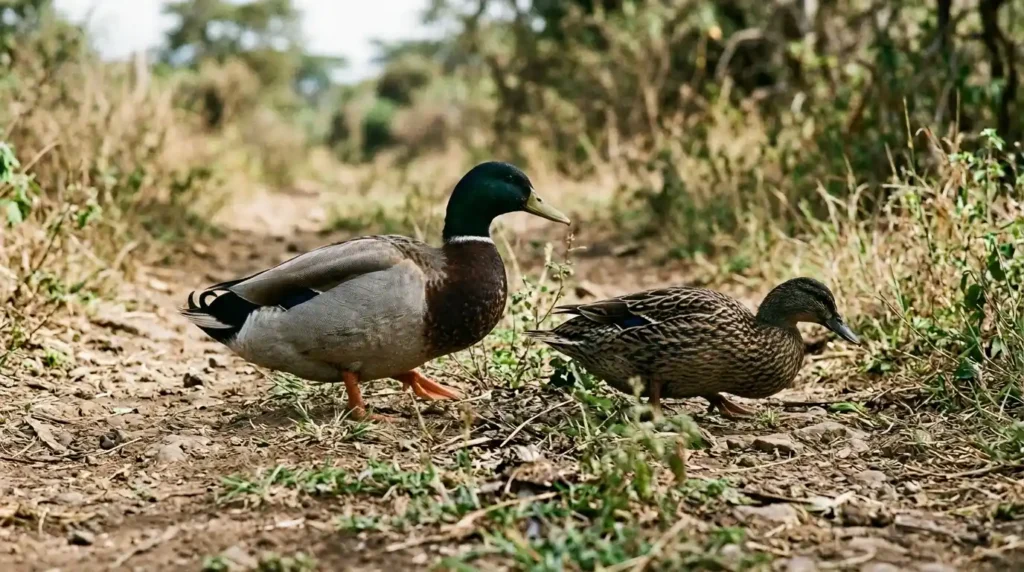
The Rouen is a flexible breed that works reasonably well for both meat and eggs. It grows more slowly than the Pekin and has a larger body size. If you want a bird that gives you options, the Rouen is worth considering.
Blue Swedish — Balanced and Adaptable
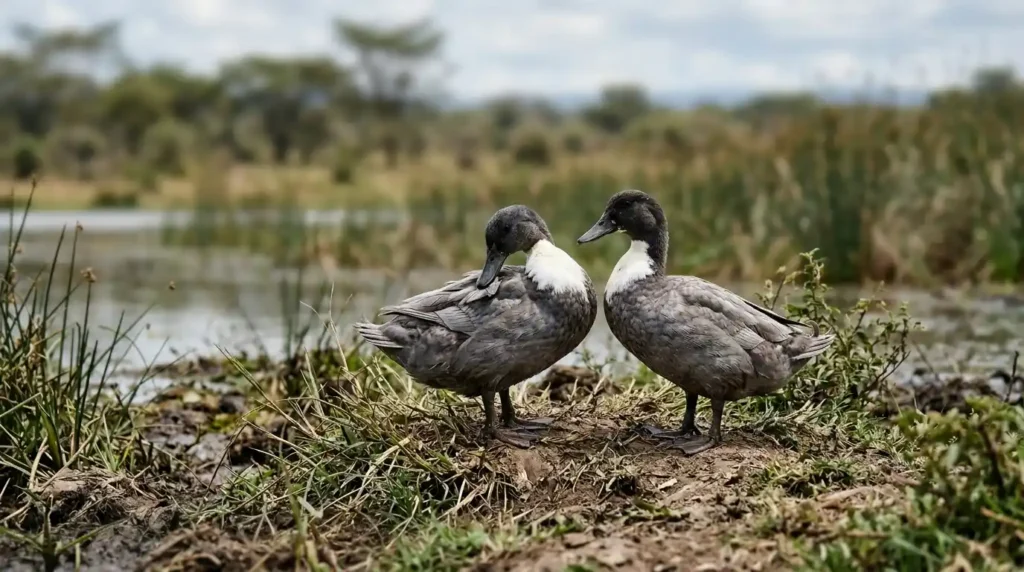
The Blue Swedish offers moderate egg production and good meat quality. It adapts well across different farming environments. For farmers who want a steady, balanced performer without leaning too far toward either eggs or meat, this is a solid option.
Cayuga — Niche and Unique Market
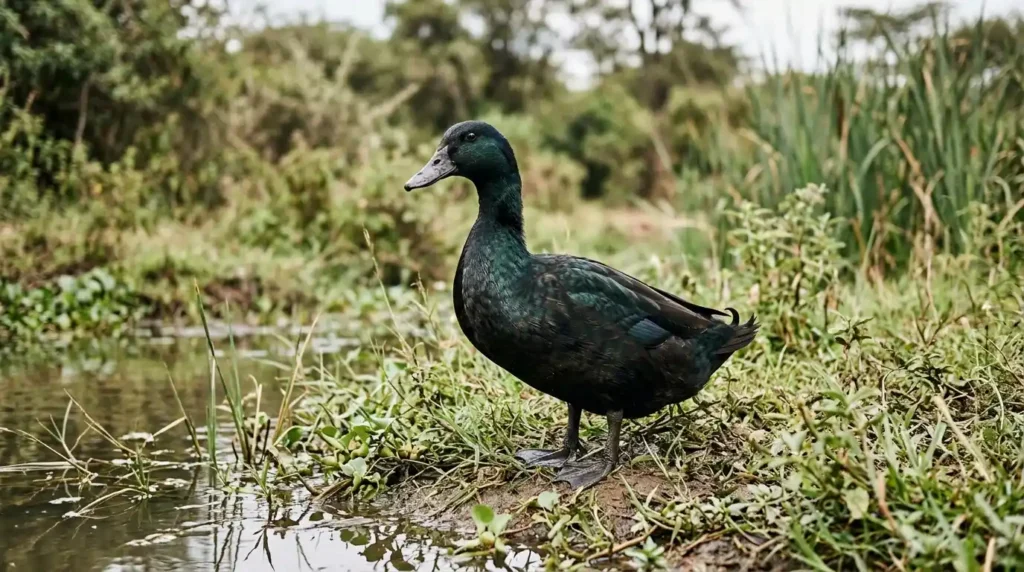
The Cayuga has a distinctive dark appearance, and its eggs can appear dark or even black when they first start coming. This makes it attractive to specialty and premium buyers who want something different.
It is not always the best choice for beginners unless you already have a specific market in mind for it.
Common Mistake: Choosing Based on Availability
Many beginners fall into this trap: they buy whatever ducklings happen to be available that week, without thinking about their goal. This often leads to poor production, a mismatch with market demand, and slow returns.
Always choose based on your goal, not just what is in front of you.
For a deeper comparison of each breed and help choosing the right one for your situation, read: Best Duck Breeds for Farming in Kenya (Complete Guide).
Duck Prices in Kenya (What to Expect)
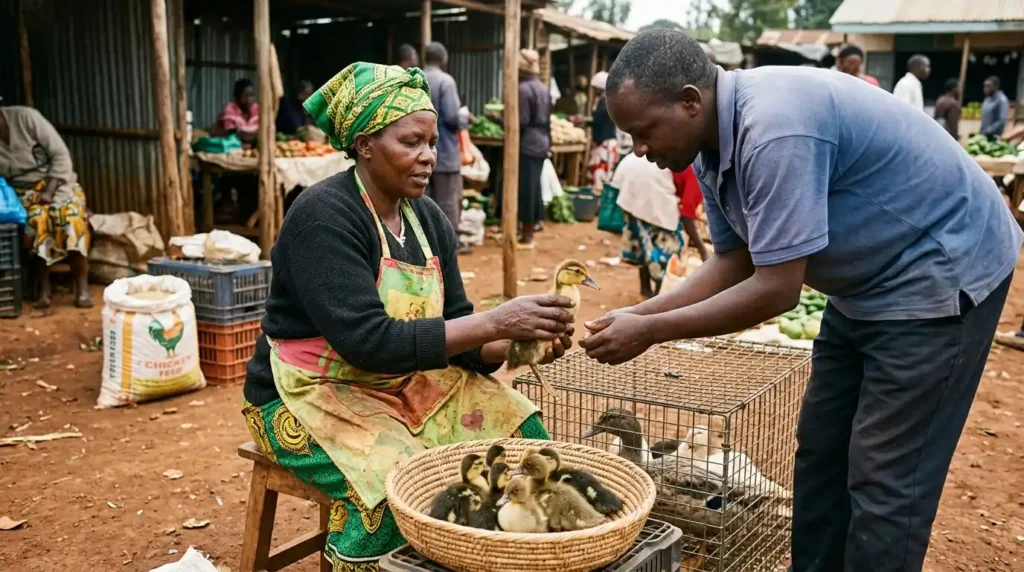
One of the most common questions beginners have is:
“How much do ducks cost in Kenya?”
The answer depends on:
- The breed
- The age (duckling vs mature duck)
- Whether you’re buying for meat, eggs, or breeding
Ducklings Price in Kenya
For most breeds in Kenya:
1-month-old ducklings: KSh 300 – 500 per duckling
2–4 months old ducklings: KSh 1000 – 1500 per duckling
Check prices for specific duckling breeds.
Mature / Live Ducks Price in Kenya
Mature ducks (general range):
KSh 2,000 – 4,500 per duck
Check prices for specific duck breeds.
Price Differences by Breed (General Guide)
- Muscovy → Often more affordable, widely available
- Khaki Campbell → Mid-range pricing (high demand for eggs)
- Pekin → Slightly higher due to meat demand
- Cayuga / Blue Swedish / Rouen → Often higher due to lower availability
Important: Don’t Buy Based on Price Alone
A common mistake beginners make is going for the cheapest option.
Cheap ducklings can mean:
- Poor health
- Slow growth
- Low productivity
It’s better to pay slightly more for healthy, well-raised stock than to lose money later.
Where to Buy Quality Ducks
If you’re looking for healthy, properly raised ducklings or mature ducks in Kenya, you can explore available stock here:
Cost of Starting Duck Farming In Kenya

Let us break it down with realistic numbers.
Example Beginner Setup — 20 Ducklings
|
Item |
Estimated Cost (KSh) |
|
Ducklings (20 @ ~300–500) |
6,000 – 10,000 |
|
1 Male + 1 Female |
4,500 – 7,500 |
|
Housing |
5,000 – 15,000 |
|
Feed (1st month) |
3,000 – 6,000 |
|
Water + equipment |
1,000 – 3,000 |
Total Estimate: KSh 20,000 – 50,000
Ways to Reduce Costs
- Use locally available materials for housing instead of buying new
- Start with 10 to 15 ducklings instead of 20 Rely partly on free-range feeding to reduce your feed bill.
Common Challenges (And How to Handle Them)
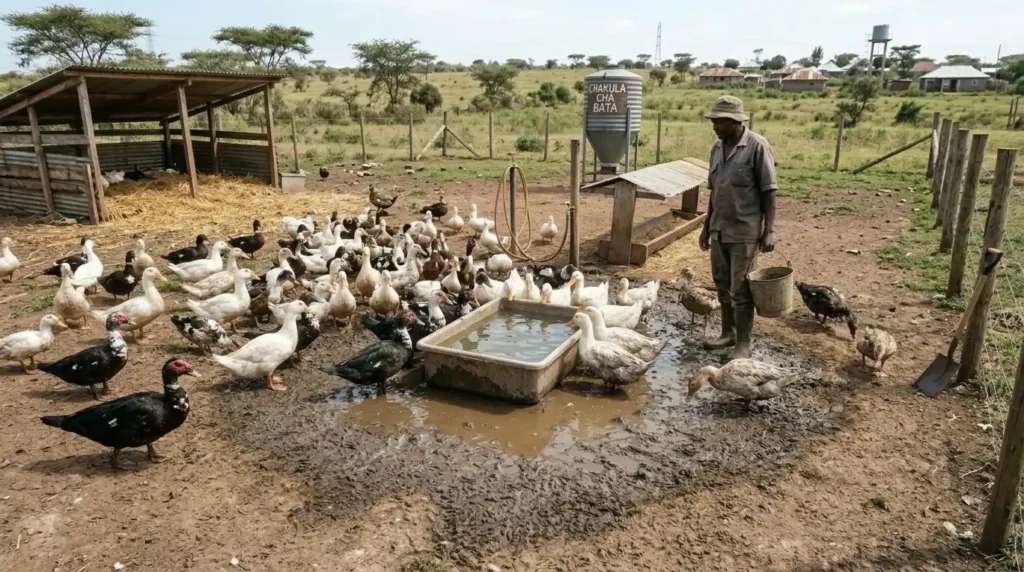
1. Water Mess
Ducks spill water everywhere. It is just what they do. The solution is simple — use controlled, stable containers and designate one area for water. Do not let it become a muddy mess across the whole pen.
2. Predators
In many parts of Kenya, dogs and birds of prey are serious threats. Lock your ducks in at night without fail, and ensure your fencing is solid enough to keep predators out.
3. Poor Feeding
Inconsistent or unbalanced feeding leads to slow growth and low egg production. Set a feeding routine and stick to it. Ducks are not complicated, but they do need consistency.
4. Buying Poor Quality Stock
This is the biggest mistake beginners make, and it is one of the hardest to recover from. Buy from trusted, verifiable suppliers. If you can visit and inspect the birds before buying, do it.
Where to Buy Ducklings Or Live Ducks In Kenya
Many people get this part wrong, and it sets them back from the very beginning.
What to Look For
- Healthy, alert birds
- Clear breed identification from the seller
- A seller who actually understands farming and can advise you
The most common mistakes we see new farmers do it buying from random sellers found online with no track record, choosing the cheapest option without checking the birds and buying without physically inspecting the condition of the stock
A Reliable Option for Ducklings and Mature Ducks
At Nera Farm, we supply healthy, well-raised ducklings and mature ducks suited for Kenyan farming conditions — especially for beginners who want to start right and avoid costly mistakes.
Whether you are just starting out, running a small-scale farm, or looking to expand an existing flock, we can help you get quality stock from the beginning.
Final Thoughts: Is Duck Farming Worth It?
Duck farming in Kenya is one of the few agribusiness opportunities where you can start small, learn quickly, and scale gradually without needing a lot of land or a large amount of capital.
What you do need is consistency, a basic understanding of how to manage your flock, and quality starting stock.
Get those three things right, and duck farming can become a reliable income stream — one that grows as you do.
Reach out to Near Farm today to begin your duck farming business
New to Duck Farming?
Frequently Asked Questions About Duck Farming in Kenya
How many ducks should a beginner start with?
Most beginners should start with 10–30 ducklings and their mother or a female grown duck to learn the basics before scaling.
How long do ducks take to mature?
Most ducks take 2–4 months to reach maturity, depending on the breed.
Do ducks need a pond?
No. Ducks do not need a pond — but they must have constant access to clean drinking water.
Is duck farming profitable in Kenya?
Yes, duck farming can be profitable due to low startup costs, multiple income streams, and growing demand.
Where can I buy ducklings in Kenya?
You can buy from reliable suppliers like Nera Farm, ensuring you get healthy, properly raised stock.
This Article Was Written By:

Reviewed by:
Joshua Okoth
Joshua is the founder and farm owner at Nera Farm with over three years of hands-on experience in duck farming. He oversees daily farm operations, including breeding, feeding, and health management.